
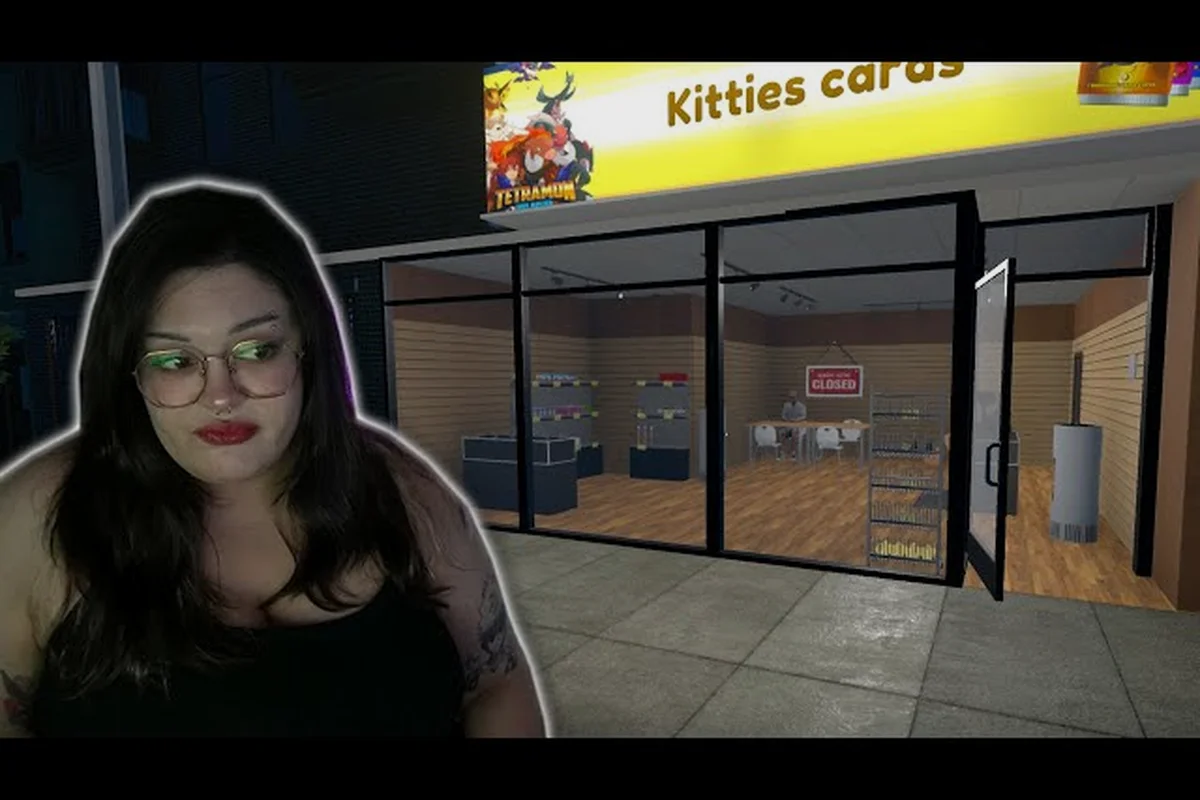
The registers don't stop ringing just because the sun goes down in TCG Card Shop Simulator. After hours sales are where quiet evenings turn into your most profitable shift, because rich customers stroll in with deeper wallets and bigger orders once the daytime crowd thins out. Knowing how to pull them in, price for them, and keep your shop rating clean while the queue grows is the difference between a sleepy closing shift and a record-breaking night. This guide breaks down the price setting, customer list management, and shop rating levers that determine how much you actually bank between dusk and dawn. Smart operators also refine their card list between sessions, since the lineup you field directly shapes demand and ultimately how much you actually bank between dusk and dawn.
How the TCG Card Shop Simulator After Hours Sales Window Works
After hours sales in TCG Card Shop Simulator kick in once the in-game clock rolls past the standard shop close time, and they keep running through the overnight block until the next morning open. The window is shorter than the daytime block but denser with high-spending traffic, because the customer list during this period is weighted toward buyers with larger disposable budgets. According to the TCG Card Shop Simulator Reddit community, the overnight window is widely treated as the prime income block for any store that has already stabilized daytime operations.
Customer Volume vs. Customer Wealth
Volume and wealth behave very differently after hours. During the day, the customer list skews toward casual buyers picking up a single booster pack, but the after hours window brings in customers who browse longer, compare prices, and then drop serious cash on a stack of chase rares. Community testing on the Steam community hub notes that the late shift averages fewer total bodies but a much higher average ticket size, which is why most veteran clerks treat it as the real money shift.
The shop holds up to 28 customers at once, and the after hours block is when you can realistically push toward that ceiling without overcrowding the floor. Keeping registers free and play tables clean is the difference between serving 20 customers and serving the full 28, because a stuck queue means customers walk out before they reach the counter.
Why Rich Customers Cluster at Night
Rich customers in TCG Card Shop Simulator aren't randomly distributed across the day. Their spawn weighting increases sharply once the evening bell rings, because the simulation treats late evening as a leisure window where hobbyists with steady incomes prefer to shop. Reports from the Steam Guides section suggest that shops with a clean shop rating see the strongest after hours pull, since rich customers are more selective about where they spend.
Price Setting That Actually Moves the Needle
Price setting is the single most important lever you control during after hours sales, because rich customers have a higher pain threshold but will absolutely leave if they smell a markup. The goal is to sit just below the perceived value ceiling for chase cards and basic cards alike, so the average ticket stays fat while the queue keeps moving.
Reading the TCG Price App Like a P&L Sheet
The in-game TCG Price app is your reference bible. Pull it up before any major restock and compare the going rate to your shelf price. A simple rule of thumb reported by community players: set basic cards at 90% of the listed price, rares at 100-105%, and epics at 110-115%. Anything above that range and rich customers start walking; anything below and you leave money on the table during the exact window when they can afford to pay.
A quick reference table for after hours pricing tiers, calibrated against the TCG Price app baseline: each rarity band balances sell-through speed against margin capture during the 5 PM–midnight window when rich customer spawn rates peak and your shop rating bonus multipliers stack on every transaction.
| Card Rarity | Shelf Price vs. TCG Price | Customer Reaction |
|---|---|---|
| Basic | 85-90% | Fast sell, great for queue flow |
| Rare | 100-105% | Sweet spot for rich customers |
| Epic | 110-115% | Maximum take without balking |
| EX / Chase | 115-125% | Only rich buyers will bite, but they pay |
| Bulk | 60-75% | Use to clear inventory, not to profit |
Avoiding the Bargain Bin Trap
One rookie mistake is dropping prices too aggressively during after hours sales to "keep the queue moving." The problem is that the late crowd is already wealthy, and bargain pricing on rares signals low quality, which tanks your shop rating over time. Instead, keep rares near market value and let the bulk bins absorb the bargain hunters. According to the official YouTube channel for OPNeon Games, the design team has stated that the price sensitivity curve during late shifts is far flatter than during the day, so aggressive discounting is essentially a self-own.
Reading the Customer List for Rich Shoppers
Knowing who is in your store is half the battle. The customer list isn't just a visual cue; it's a targeting tool that tells you which customers are worth serving first, which ones to upsell, and which ones to politely nudge toward bulk bins.
Identifying Rich Customer Cues
Rich customers in TCG Card Shop Simulator have a few subtle tells. They linger near the rare and epic displays, they pick up sleeves and deck boxes, and they rarely browse the basic card shelf. Community members on the Steam community screenshots board recommend watching for customers who pick up more than three items before heading to the register; that single behavior correlates strongly with high spend.
You can also stack these tells into a simple priority list, and the ordering matters once your after hours sales window opens: a customer who picks up three items AND lingers near rare displays is the highest-conversion cue and should be approached before the register bell rings, while a single-queue browser asking about EX or Chase cards ranks second because back-stock pulls eat 15-20 seconds of real time that you can reclaim by fast-tracking them. For the budget-tier cues (basic-card browsers, price-sensitive leavers), the priority is simply to keep your shop rating from dipping, since after hours a single 1-star review from a frustrated budget customer hits your daily multiplier harder than a missed rich upsell gains you.
| Behavior Cue | Spending Tier | Action |
|---|---|---|
| Picks up 3+ items | Rich | Prioritize, offer to hold at counter |
| Browses basic cards only | Budget | Direct to bulk bins, don't upsell |
| Asks about EX / Chase | Rich | Pull from back stock immediately |
| Lingers at play table area | Mixed | Watch for play fee upsell |
| Leaves without buying | Price-sensitive | Recheck your shelf markup |
Queue Routing and Register Allocation
Rich customers will not wait in a long queue. The first register should be reserved for walk-up traffic, and a second register should be opened the moment the first queue exceeds three customers. Each checkout counter adds a flat daily bill, so the second register only pays for itself once the first queue actually backs up during peak customer counts, which the Steam community hub flags as the standard trigger point.
Once you're serving at the customer ceiling of 28 shoppers, adding a third register becomes the next move, but only if your shop rating can support the overhead. A third counter in a low-rated shop just burns daily cash without filling up because poor ratings reduce the rich-customer spawn rate.
Pushing Max Customers Without Killing Shop Rating
Shop rating is the engine that drives rich-customer spawn weight, and it's the easiest stat to ruin. A single dirty play table or a stuck queue can drag a five-star shop down to three stars overnight, and the rich-customer pool thins out for weeks while you recover.
Cleanliness as a Revenue System
Cleanliness is a system, not a chore: hygiene affects both shopper behavior and whether paying play table customers return, which is why auto sprayers installed early protect two revenue streams at once. The cheapest upgrade you can buy for after hours sales is the auto sprayer, because it keeps tables and floors clean without requiring manual attention during a busy shift. A clean shop during the late window consistently pulls more rich customers than a dirty one at the same price point, and the spawn rate differential is significant enough to matter on a single shift.
A baseline cleanliness checklist for after hours sales: the five-point routine below should be completed during the last 10–15 minutes of the daytime block so the auto sprayer, table rotation, and display cases are all in a known-good state before the rich customer wave begins spawning, because any missed step in the first hour of the late window compounds across the rest of the shift and directly drags down shop rating, which in turn lowers max customer throughput and erodes the price premium your after hours inventory can command.
-
Auto sprayer active and refilled before evening
-
Trash bins emptied at the start of the after hours block
-
Play tables wiped after every session
-
Floor free of dropped booster wrappers
-
Display cases dusted (affects shop rating directly)
Max Customer Count Strategy
To actually hit the 28-customer ceiling during after hours, you need three things running in parallel: open registers, clean tables, and competitive pricing. Drop any one of those and the customer count stalls in the low 20s. Drop two and the store feels empty even at peak time.
Below is a simplified scaling table that ties your shop rating to expected after hours crowd size, register throughput, and how aggressively rich customers will route to your store versus a competitor with similar inventory. Use it as a quick reference while tuning price setting between restocks.
| Shop Rating | Rich-Customer Pull | Expected Max Crowd | Register Count |
|---|---|---|---|
| 5 stars | Very high | 25-28 | 2-3 |
| 4 stars | High | 20-24 | 2 |
| 3 stars | Moderate | 15-19 | 1-2 |
| 2 stars | Low | 10-14 | 1 |
| 1 star | Very low | under 10 | 1 |
Protecting the Rating Through the Rush
The single fastest way to lose a 5-star rating is to leave a play table dirty while rich customers wait. Auto sprayers handle the floor, but tables need a clerk with a rag, and during a 28-customer rush that means prioritizing the play table area over the bulk bins. Bulk bin customers are patient; play table customers are not, and they're also the ones paying the play fee that funds your nightly upgrade budget.
Pricing Strategy Deep Dive for After Hours Sales
After hours sales reward a different pricing strategy than daytime. The daytime goal is volume, the after hours goal is margin, and the only way to extract maximum margin without scaring off the wealthy crowd is to read the room constantly.
The 90/100/110 Rule of Thumb
The community-tested 90/100/110 rule for after hours pricing works because it sits inside the rich-customer comfort zone. Basic cards at 90% of the listed price clear fast and keep the queue flowing, rares at 100% capture fair value, and epics at 110% take the maximum the wealthy crowd will pay without complaint. Anything above 110% on epics starts a slow leak of high-end customers who go shop your competitor, and once they leave during the after hours window they rarely come back the same night.
Dynamic Price Adjustments Mid-Shift
Don't set your prices once and walk away. The TCG Price app updates as in-game days pass, and the after hours block is long enough that you can usually adjust prices once mid-shift. If the queue is short and the floor is full, push epics to 115% and see if anyone flinches. If the queue is long, drop epics back to 105% to keep the throughput up. The rich customer segment is price-insensitive within about 15%, so you have real headroom to optimize on the fly.
A mid-shift price ladder works best when you read two signals at once — current queue length and remaining shift time — then shift each rarity tier independently rather than moving everything up or down in lockstep. In practice, a slow floor with low EX / Chase sell-through (under 3 cards per hour) is the cue to bump epics from 110% to 115% and push EX / Chase toward 125%, while a backed-up queue over 8 deep means dropping epics to 105% and shaving basics to 85% to keep customer churn low and shop rating from bleeding.
| Time of Night | Basic | Rare | Epic | EX / Chase |
|---|---|---|---|---|
| Open | 90% | 100% | 110% | 115% |
| Mid-shift, slow floor | 90% | 105% | 115% | 125% |
| Mid-shift, long queue | 85% | 100% | 105% | 110% |
| Final hour | 80% | 95% | 105% | 115% |
Bulk Cards as a Throughput Tool
Bulk cards aren't a profit center; they're a throughput tool. Set them at 60-75% of TCG price to clear the bin fast, and use them to keep the queue moving when rich customers are between big purchases. A well-stocked bulk bin during after hours sales prevents the awkward dead zone where nobody is at the counter and your registers are burning money without earning it.
Building a Repeat-After-Hours Crowd
The best after hours sales don't come from one lucky night; they come from building a regular late-night customer base that shows up because they know your shop is the place to be after dark. Shop rating, consistent stock, and clean tables all feed into that flywheel.
Stock Variety and Restock Timing
Rich customers notice when the same rare has been on the shelf for three days. Restock your high-end inventory before the after hours block opens, and rotate which chase cards you feature on the display case each night. The display case draws the eye first, so whatever sits there during the late window sets the tone for the whole shift. A fresh EX on the display at 9 PM is a magnet for the wealthy customer segment.
Play Table Revenue and Retention
Play tables aren't just decoration. The play table fee is pure margin, and play table customers who enjoy their session are the most likely to browse and buy before they leave. Keep tables clean, keep the rule book stocked at the workbench area, and make sure the play fee is clearly posted. According to community data on the Steam community hub, shops that maintain active play tables during after hours see a measurable lift in adjacent card sales.
A simple play table revenue model ties table count directly to after hours foot traffic and per-night session volume: each open table adds roughly 4-5 sessions, with sessions stacking linearly up to 15-18 at four tables before capacity constraints flatten the curve. Because the play table fee is pure margin and session enjoyment correlates with browse-and-buy behavior before exit, scaling tables from one to three is the highest-leverage move for lifting adjacent card sales during after hours, while pushing to a fourth table mostly trades diminishing returns for capacity risk and longer customer wait times.
| Tables Open | Avg. Sessions / Night | Play Fee | Adjacent Card Sales |
|---|---|---|---|
| 1 | 4-5 | Baseline | Low |
| 2 | 8-10 | 2x baseline | Moderate |
| 3 | 12-15 | 3x baseline | High |
| 4 | 15-18 | 4x baseline, diminishing | High but capacity-limited |
Closing the Night Strong
The final hour of the after hours block is when impulse buying peaks. Customers who have been browsing finally commit, and the play tables run their last sessions. Push your epic pricing up by 5% during this window, because the customers still on the floor at 2 AM are the most committed buyers in the game, and they will pay full retail without blinking. Close the night with the registers ringing, the tables wiped down, and the auto sprayer topped off, so the next morning opens on a clean foundation.
Frequently Asked Questions
When exactly do TCG Card Shop Simulator after hours sales start?
The after hours block begins once the in-game clock passes your shop's standard close time and runs until the next morning open. According to community data, this is the densest window for rich-customer traffic and the most profitable shift of the day for any shop with a stable daytime operation.
What is the max customers you can have in your shop at once?
The shop holds up to 28 customers at once during peak hours. Hitting that ceiling during after hours sales requires open registers, clean play tables, and competitive pricing on rares and epics, all working together so the queue never stalls.
How do rich customers decide where to shop?
Rich customers weigh shop rating heavily, then check whether your rare and epic inventory looks fresh. A 5-star shop with a rotating display case pulls a much higher share of the wealthy customer list than a 3-star shop with the same stock, which is why protecting the rating is more valuable than any single price adjustment.
Should I drop prices during slow after hours nights?
Drop basic and bulk prices first, but hold rares and epics near market value. Aggressive discounting on high-end cards signals low quality and erodes shop rating over time, which reduces the rich-customer spawn rate on future nights and costs you more in the long run than one slow shift.
How many registers should I run during peak after hours?
Open a second register the moment the first queue exceeds three customers, and consider a third once you consistently hit 20-plus customers on the floor. Each register adds a flat daily cost, so the trigger is real queue backup, not a gut feeling, because the second counter only pays for itself once the first register actually has a line.