
Guides
Beginner and advanced TCG Card Shop Simulator guides covering the opening week, pricing, staffing and the decisions that keep a new shop solvent.
Introduction
The guides hub is where every TCG Card Shop Simulator run starts, because the opening week is the part that actually ends saves. A shop that opens with the wrong stock, an over-tight shelf layout or a greedy price tag will bleed money on electricity and counter fees long before the collection starts paying for itself. These guides walk the full arc in order: the first wholesale order, the pricing maths behind a sale, hiring your first worker, and the point where flipping sealed product becomes less profitable than cracking it. Each guide is written around decisions rather than trivia, so you can read one, change one thing in your shop, and see the difference on the next in-game day. Where a number comes from community testing on the Mechanics and Formulas pages we say so, and where it comes from the 1.0 patch notes we say that too, so you always know how much to trust a figure.
Guide Track Quick Reference
| Track | What It Covers | Best For | When To Read |
|---|---|---|---|
| Opening Week | First wholesale order, shelf placement, initial pricing, covering bills | Brand new saves | Before you buy anything |
| Money & Pricing | Markup against the buy-chance curve, TCG Price app reading, single vs sealed margin | Shops that are open but not growing | Once the first bills land |
| Workers & Automation | Unlock levels, duty splitting, hiring fees against daily salaries | Shops where you are always at the till | Around shop level 10 |
| Product & Sets | Which families to stock, sealed vs opened, pack tier trade-offs | Shops with spare cash to invest | When ordering feels like guesswork |
| Progress & Systems | Play tables, events, Tetramon deck building, expansion timing | Established shops | After you stop worrying about bills |
Guide Tracks
Opening Week Survival
The first seven in-game days, in order
Money & Pricing
Reading the buy-chance curve and the TCG Price app
Workers & Automation
Making the shop run while you do something else
Product & Sets
Choosing which families to stock and how to buy them
Progress & Systems
Play tables, events and the playable card game
Core Mechanics
Every run follows the same underlying loop, and the guides are ordered around it. You start with a small amount of cash, a bare shop and an empty sales floor. The Stock Order app is where you buy wholesale: sealed booster boxes and packs are cheapest by the case, and everything you buy has to be carried to a shelf or display before a customer will consider it. Once product is out, you set your own prices, and the buy chance falls as your price rises above the market value reported by the TCG Price app, which is what makes a markup decision rather than a formality. Sales generate experience as well as cash, and shop level gates almost everything else: better furniture, more floor space, worker unlocks and higher-value product lines. Underneath all of it runs a fixed cost layer of electricity per real minute plus a flat daily fee for every checkout counter you own, so a shop that stops selling still loses money. The beginner track deliberately front-loads the survival decisions, and the later tracks assume you can keep the doors open.
Advantages
The guides hub is organised around the actual failure points rather than around the order the menus appear in, which means it answers the questions new players search for first. Because every guide is written around a decision, you can apply it immediately: change a markup, move a shelf, delay an expansion, and watch the next in-game day respond. The tracks are also honest about confidence. Numbers taken from the 1.0 patch notes are stated plainly, while figures that come from community testing on the Mechanics and Formulas pages are labelled as community-reported and dated, so you know which ones to re-check after a patch. The beginner track deliberately covers the first week in isolation, because the mistakes that end runs happen early and cheaply if you catch them, and expensively if you do not. Later tracks assume survival and move on to throughput, staffing and the point where cracking packs beats selling them sealed. Between them they cover the full arc of a shop, from a bare floor and a small float to a staffed store with tables turning over income every hour.
Challenges
The main limitation of any written guide for this game is that a meaningful share of the underlying numbers is community-reported rather than confirmed in-game. Pull rates, grading probabilities and the exact buy-chance curve come from the community wiki's Mechanics and Formulas pages, and some of those pages were last edited during Early Access, so a 1.0 patch can invalidate them without anyone updating the source. The other structural caveat is that this game is a simulation with a lot of interacting systems, which means advice is conditional: the best first purchase depends on your shop level, your existing stock and whether a play table is running. Guides that hand you a single optimal sequence are usually describing one player's save. Finally, because version 1.0 is recent, there is very little community documentation of the new systems at all, so anything involving Ascension cards, tournaments or the playable Tetramon format should be verified in your own save rather than trusted from a guide written about an earlier build.
Frequently Asked Questions
What should I do first in TCG Card Shop Simulator?+
How much markup should I put on cards and packs?+
Why do I keep running out of money even when I am selling?+
Quick Tips
Cover the daily bills before you spend a single coin on expansion. Electricity accrues per real minute and every checkout counter charges a flat daily fee regardless of whether it was used, so a shop that cannot clear its fixed costs is losing money even on a day when the shelves emptied. Work out roughly what your shop costs to keep open, then treat that figure as the floor your revenue has to beat before anything counts as profit. Expansion should only follow once you can clear that floor comfortably with room left for restocking.
Keep one slot of cash free for restocking rather than tying everything up in stock or upgrades. Most early shop problems are not margin problems, they are liquidity problems: the shelves are empty, customers are browsing and leaving, and the bank balance is sitting in a warehouse behind the sales floor or in a furniture upgrade that has not paid for itself yet. Holding a restock buffer means a good selling day can be answered immediately with a fresh order instead of being wasted while you wait for income to catch up.
Do not expand your floor space until you can afford both the space and the stock to fill it. A bigger shop raises the customer ceiling, which looks like pure upside, but it also carries a permanently higher electricity rate and it puts more shelf volume in front of you that will sit empty if your ordering budget has not grown with it. The reliable test is whether you are currently turning customers away because of capacity rather than because of stock, and whether you could fund a full restock of the new space on the same day you pay for it.
Featured
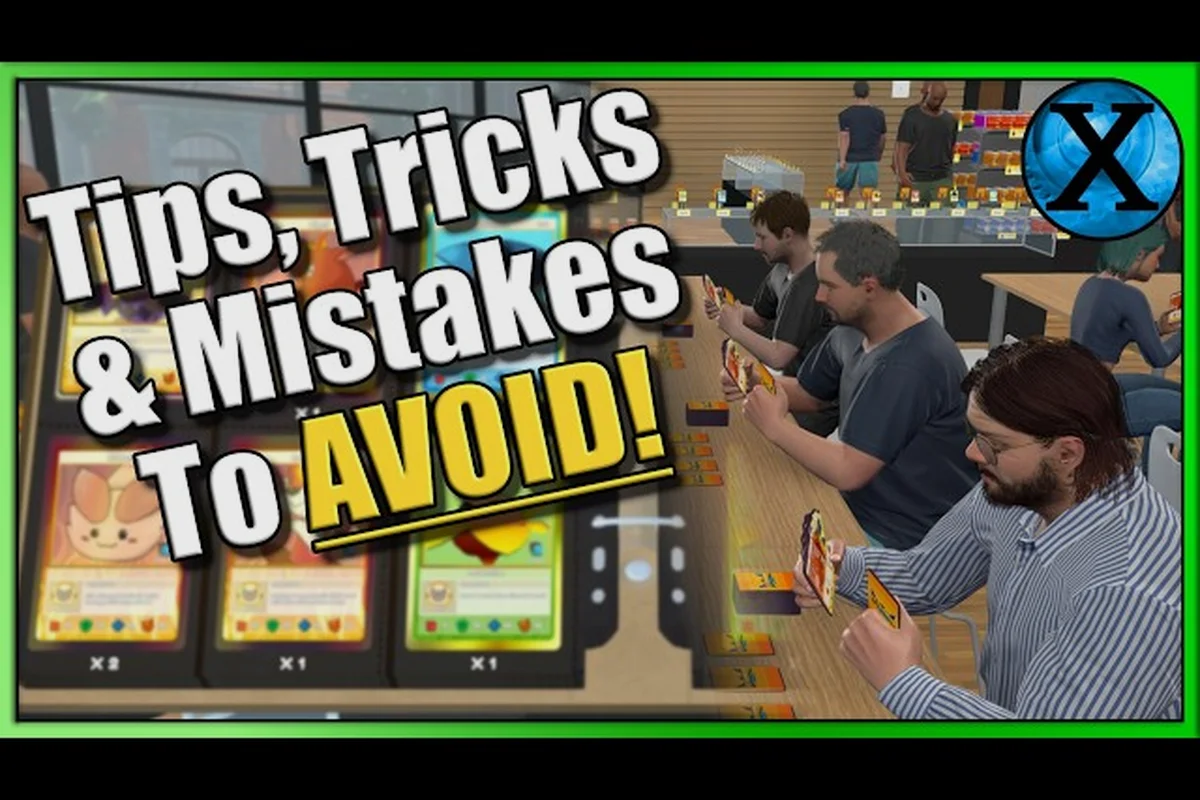
TCG Card Shop Simulator Beginner Guide: First Day Basics
Master your first day with this TCG Card Shop Simulator beginner guide covering markup math, wholesale buying, grime control, and the buy-rate sweet spot.
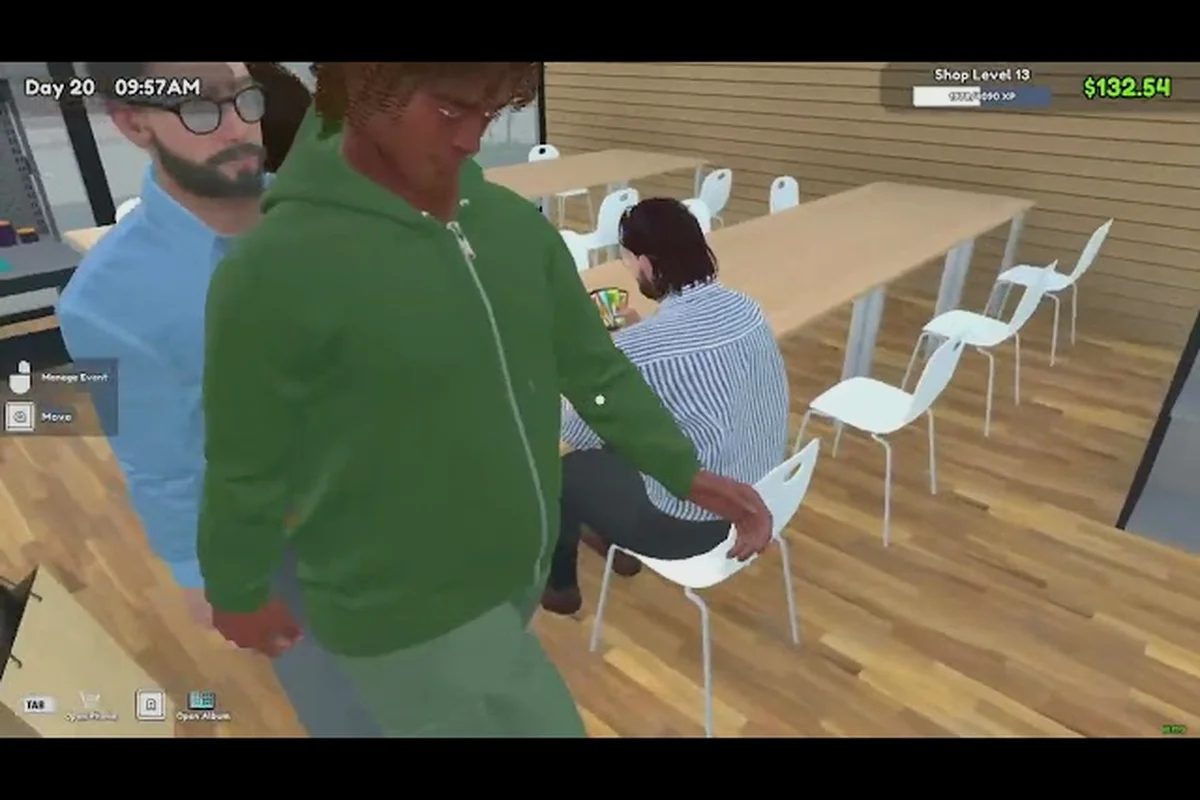
TCG Card Shop Simulator Tutorial: Wholesale & Markup
Learn the TCG Card Shop Simulator tutorial fast: buy wholesale booster boxes, set a markup customers accept, and stretch first-day cash into a stable shop.
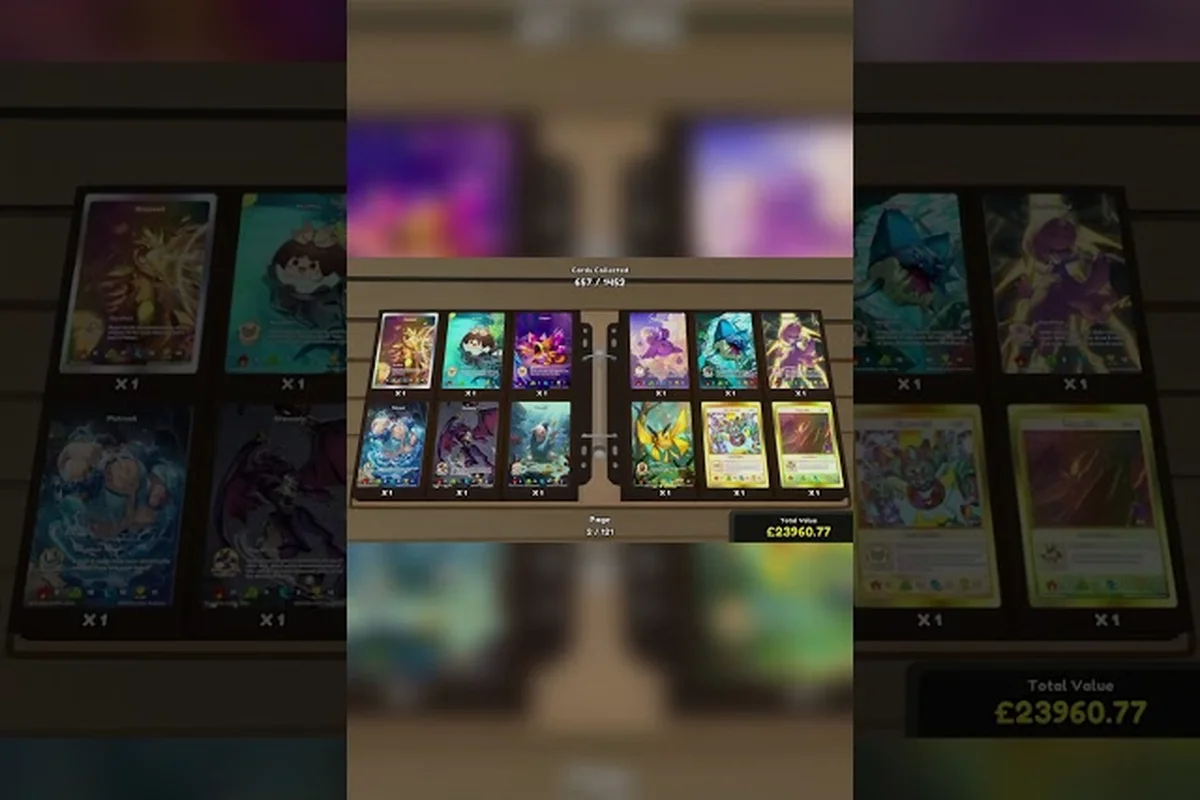
TCG Card Shop Simulator Full Release Guide: 1.0 Start
Jump into TCG Card Shop Simulator full release guide territory with 1.0 launch tips covering 4,436 cards, 50 achievements, and the opening hours that matter.
All Articles
TCG Card Shop Simulator How Long to Beat: Hours
Find out how long to beat TCG Card Shop Simulator across a main run, trophy hunt, and full completionist playthrough spanning 4,436 cards and 50 achievements.
TCG Card Shop Simulator Mistakes to Avoid: Early Traps
Sidestep the costliest TCG Card Shop Simulator mistakes to avoid with insider lessons on counter fees, electricity drain, overpricing collapse, and grime pile-ups.

TCG Card Shop Simulator No Mods Guide: Vanilla Setup
Build a thriving TCG Card Shop Simulator no mods guide setup using only base-game tools, smart shelf placement, and clean pricing math.

TCG Card Shop Simulator Multiplayer Guide: Cross-Play
Team up in TCG Card Shop Simulator multiplayer with this co-op setup walkthrough for PC, Xbox, and PlayStation, plus tips for sharing counters and stock.

TCG Card Shop Simulator Save File Guide: Backups
Protect your progress with this TCG Card Shop Simulator save file guide covering backup steps, restore options, keybind tweaks, and smoother performance settings.
TCG Card Shop Simulator Late Game Guide: Wealth & Tours
Scale your TCG Card Shop Simulator late game guide empire with tournament hosting, rich-customer targeting, wholesale flipping, and pro-level stock rotations.
TCG Card Shop Simulator 100 Percent Achievements: 50 Trophies
Unlock every TCG Card Shop Simulator 100 percent achievements trophy with a full 50-milestone roadmap, quick-win picks, and the smartest grind chains.