
Updates
TCG Card Shop Simulator update history: the 1.0 release, card count growth from 2,714 to 4,436, Ascension, save compatibility and post-launch support.
Introduction
TCG Card Shop Simulator spent roughly two years in Early Access before the 1.0 release on September 15, 2026, and the version history matters because a large share of the guides written during Early Access describe numbers that have since changed. The headline shift is scale: the collectible pool grew from 2,714 cards to 4,436, with the Ascension pack line carrying 1,452 of the additions, and the in-game card game became something you actually play with deck building, a rulebook, short matches against customers and tournament play. This hub tracks what shipped at launch across Steam, Xbox, PlayStation and Nintendo Switch, what arrived in the 0.70 and 0.70.3 builds before it, how saves carry forward between versions, and what the developer has said about support after 1.0 rather than treating the release as the end of the road.
Version History At A Glance
| Build | When | Headline Change |
|---|---|---|
| Early Access launch | September 15, 2024 | Shop management sim with a smaller card pool |
| 0.70 line | Early Access | The build most community documentation still describes |
| 0.70.3 | Early Access | Fixes and tuning rather than new systems |
| 1.0 release | September 15, 2026 | Full release on PC, Xbox, PlayStation and Switch; 4,436 cards; playable Tetramon |
| Post-1.0 support | Ongoing | Developer has called 1.0 a milestone rather than the end |
Release Notes
1.0 Release
Full release on September 15, 2026
Card Count Jump
From 2,714 cards to 4,436
Playable TCG
Tetramon became a real card game
Ascension Pack
The line carrying 1,452 new cards
Cosmetics & Achievements
55 posters and five new achievements
Save Compatibility
0.70 saves carry forward
Post-1.0 Support
A milestone, not the finish line
Core Mechanics
The version history is short but consequential. The Early Access build that most existing guides were written against shipped a smaller card pool and a card game that was mostly thematic rather than playable. The 0.70 line is the version most community documentation still describes, and the 0.70.3 patch followed it with fixes rather than new systems. The 1.0 release on September 15, 2026 is the version that matters going forward: it took the game out of Early Access across Steam, Xbox, PlayStation and Nintendo Switch at once, expanded the collectible pool from 2,714 cards to 4,436, added the Ascension pack line carrying 1,452 of those cards, and turned the in-game card game into a playable system with deck building, a rulebook, short matches against customers and tournaments. Saves from the 0.70 line carry forward into 1.0, but there is no cross-save between console and Steam. The developer has described 1.0 as a milestone rather than the end of support, so numbers in older guides should always be checked against the current build.
Advantages
Keeping track of versions protects you from acting on stale information, which is a real risk in a game whose Early Access period lasted about two years and whose community documentation is still largely written against an older build. Knowing that the card pool grew from 2,714 to 4,436 and that the newest pack line carries 1,452 of those cards tells you where recent collector attention sits, and knowing that the playable card game, deck building and tournaments all arrived at 1.0 tells you which guides to trust and which to treat as historical. Save compatibility is documented too, so returning players know their 0.70 save carries forward while cross-platform progression does not. Because the developer has already framed 1.0 as a milestone rather than the end of support, the useful posture is to treat every number as version-scoped: cite the build, note the date, and expect tuning changes to move the figures that matter most, such as worker costs and pack distributions.
Challenges
The central risk in this category is stale documentation. Roughly two years of Early Access produced a large body of community content written against builds whose card pool, economy and card game have all since changed, and much of that content is still the top result for common searches. The 1.0 release is recent enough that authoritative detail on its new systems is scarce: the 1,452-card Ascension figure comes from the official update announcement, but the pack-by-pack breakdown behind it has not been published, and the playable card game, tournaments and deck building have almost no community documentation at all. Version numbering itself is a minor trap, since the last Early Access build and the release build differ enough that a guide describing the earlier one can be confidently wrong. And because the developer has said support continues after 1.0, every figure in this hub carries an implicit expiry: treat numbers as scoped to the build that produced them rather than to the game as a whole.
Frequently Asked Questions
When did TCG Card Shop Simulator release?+
What changed in the 1.0 update?+
Do old saves and guides still work?+
Quick Tips
Treat every number as version-scoped rather than absolute. The game spent roughly two years in Early Access, so a large share of the community documentation still describes builds whose card pool, economy and card game have since changed, and those pages remain the top results for common searches. When you read a figure, ask which build produced it: 1.0 data from the official announcement is safe to act on, while a community page whose last edit predates the release should be treated as a starting point to verify in your own save.
Check the current build before restarting a shop from an old guide. Saves from the 0.70 line carry forward, but the systems around them have grown substantially, with the collectible pool expanding from 2,714 cards to 4,436 and the card game becoming genuinely playable. Following an Early Access opening routine in a 1.0 shop usually means under-investing in the product lines that now carry the most value, so it is worth reading a current guide before you commit to a fresh save.
Expect further changes rather than a frozen meta. The developer has described 1.0 as a milestone instead of the end of support, which means tuning patches that adjust figures such as worker costs, pack distributions or event pricing are a realistic possibility rather than a surprise. Building your shop so it survives a modest rebalance, by keeping some cash free and not over-committing to one product line, is a more robust approach than optimising around a single number that may move.
Featured
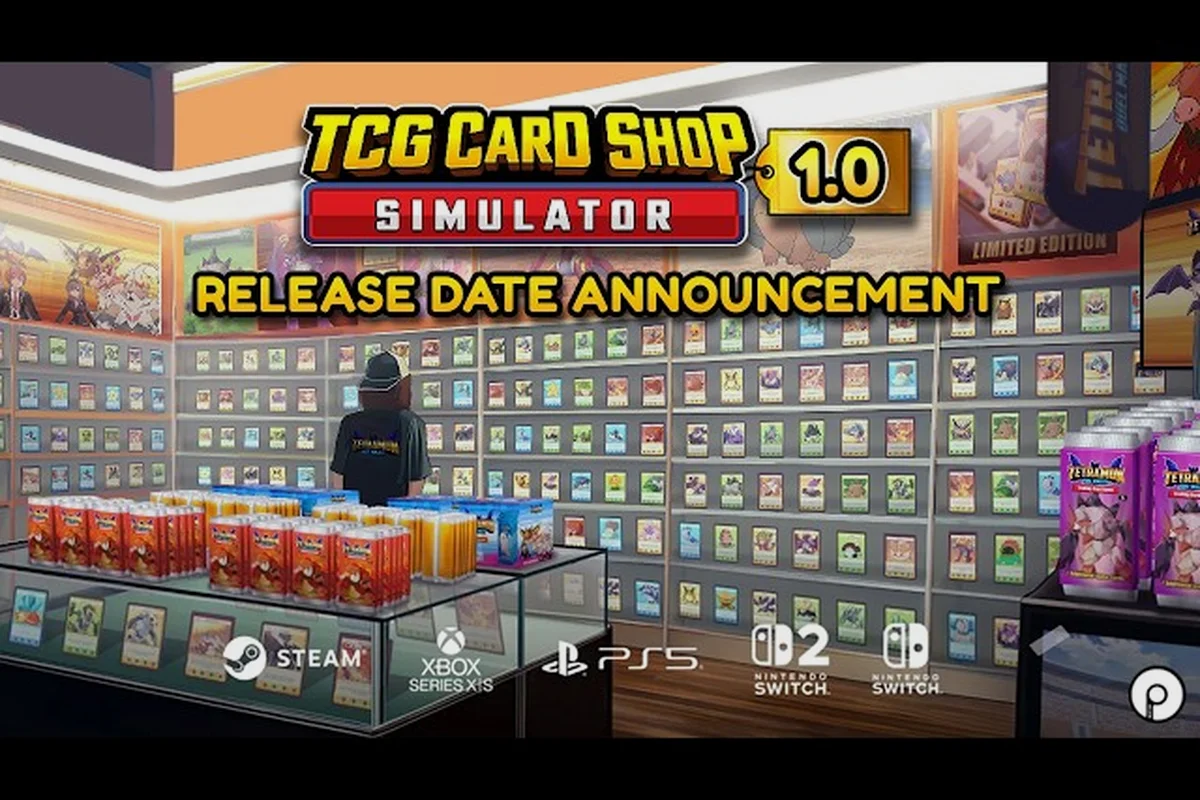
TCG Card Shop Simulator Update: 1.0 Release, Tetramon & Roadmap
Track every TCG Card Shop Simulator update from the 1.0 release and Tetramon launch through the post-release roadmap and changelog, plus the final 0.70 build.
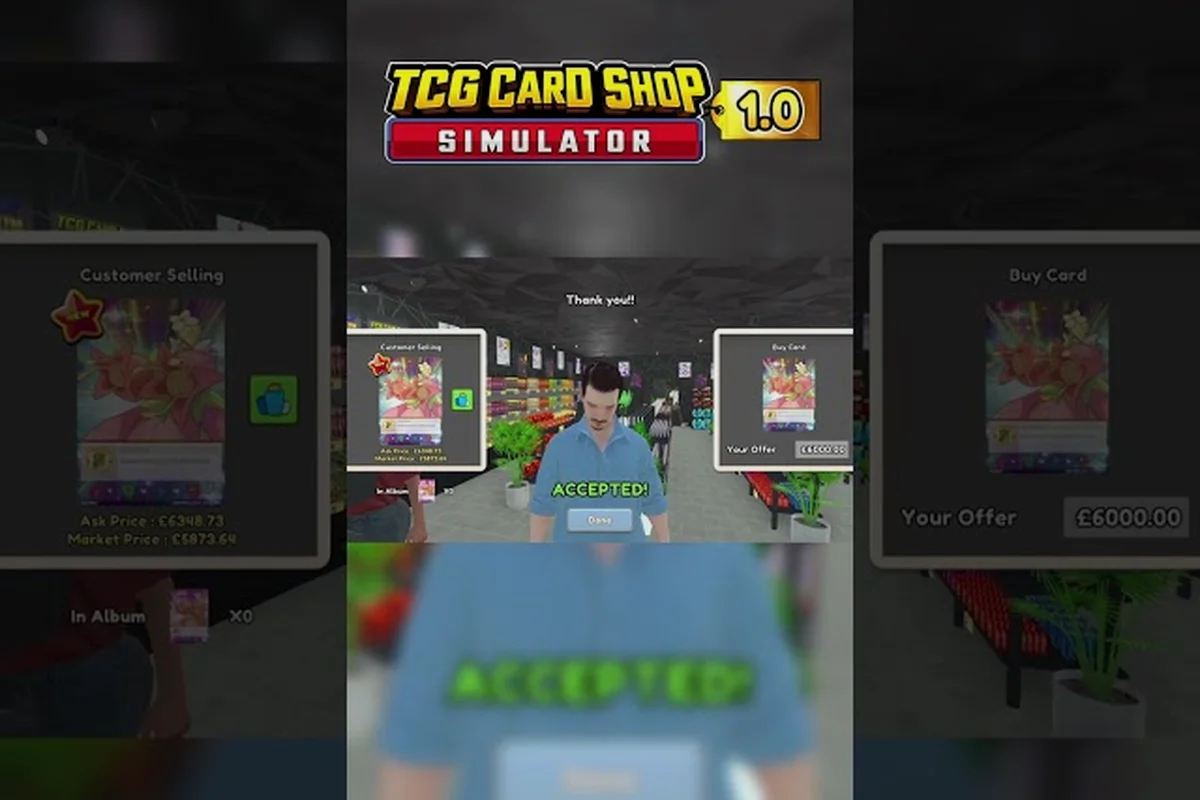
TCG Card Shop Simulator Future Content: Roadmap
Stay ahead of TCG Card Shop Simulator future content drops with the latest OPNeon Games dev blog news, known issues, crash fixes, and post-1.0 plans.
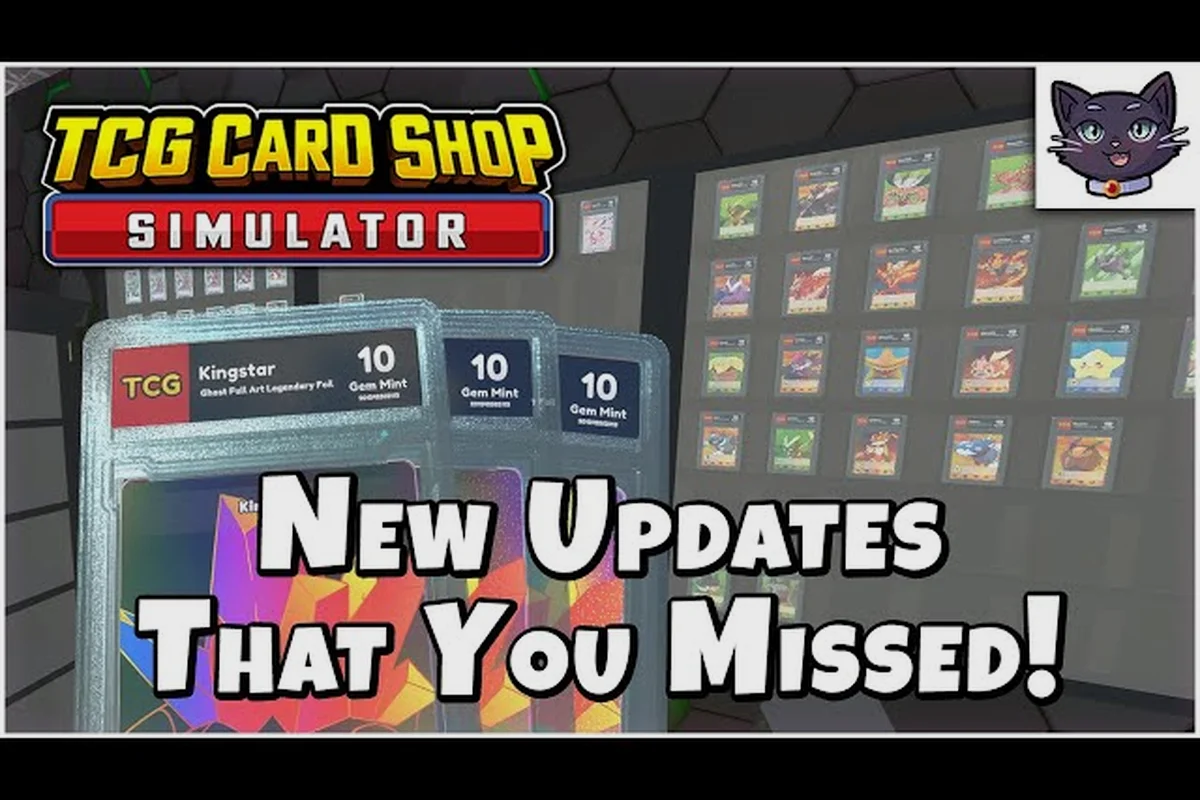
TCG Card Shop Simulator Patch Notes: Every 1.0 Fix Listed
Track every TCG Card Shop Simulator patch notes entry from the 1.0 full release, including new Tetramon features, fixes, and the final Early Access build.
All Articles
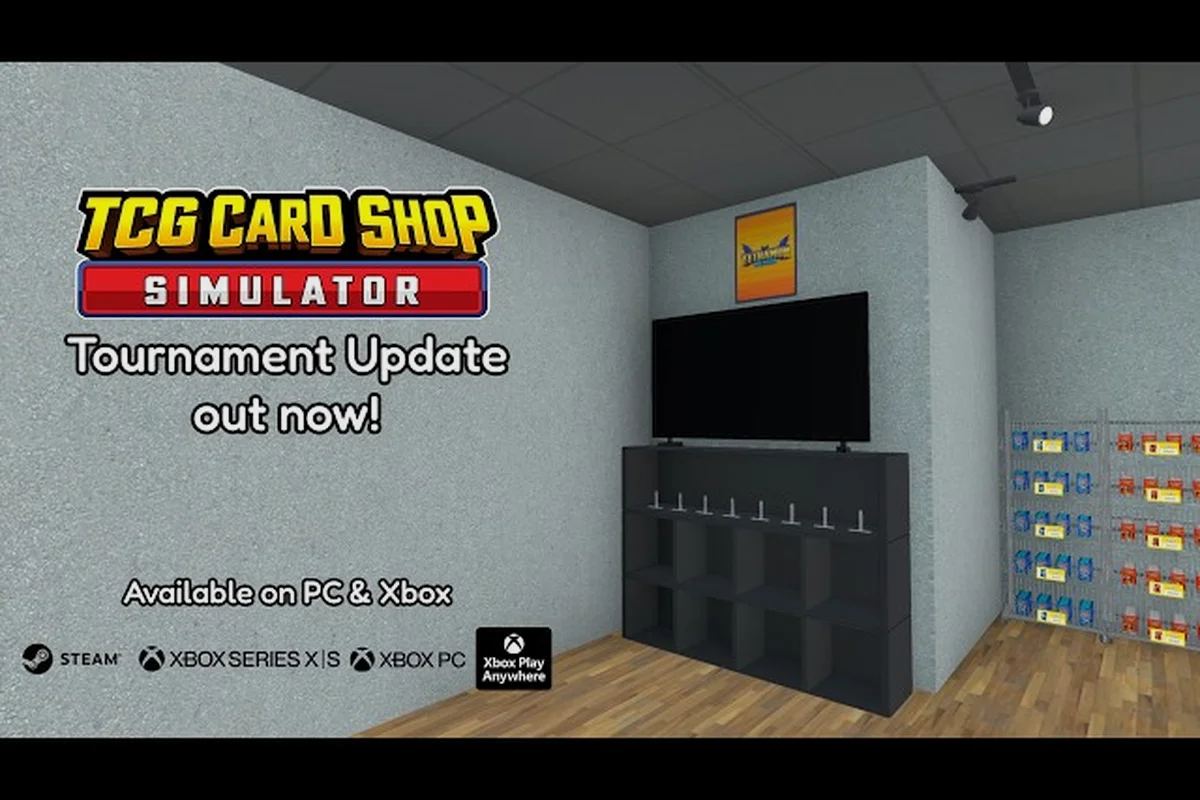
TCG Card Shop Simulator Tournament Update: 1.0 Launch
Break down the TCG Card Shop Simulator tournament update that launched 1.0 on September 15 across Steam, Xbox, PlayStation, and Nintendo Switch.
TCG Card Shop Simulator 0.70.3 Patch: Dev Notes & DLC Outlook
Read the TCG Card Shop Simulator 0.70.3 patch notes straight from OPNeon Games, see how reviews and awards reacted, and find out what DLC is next on the roadmap.
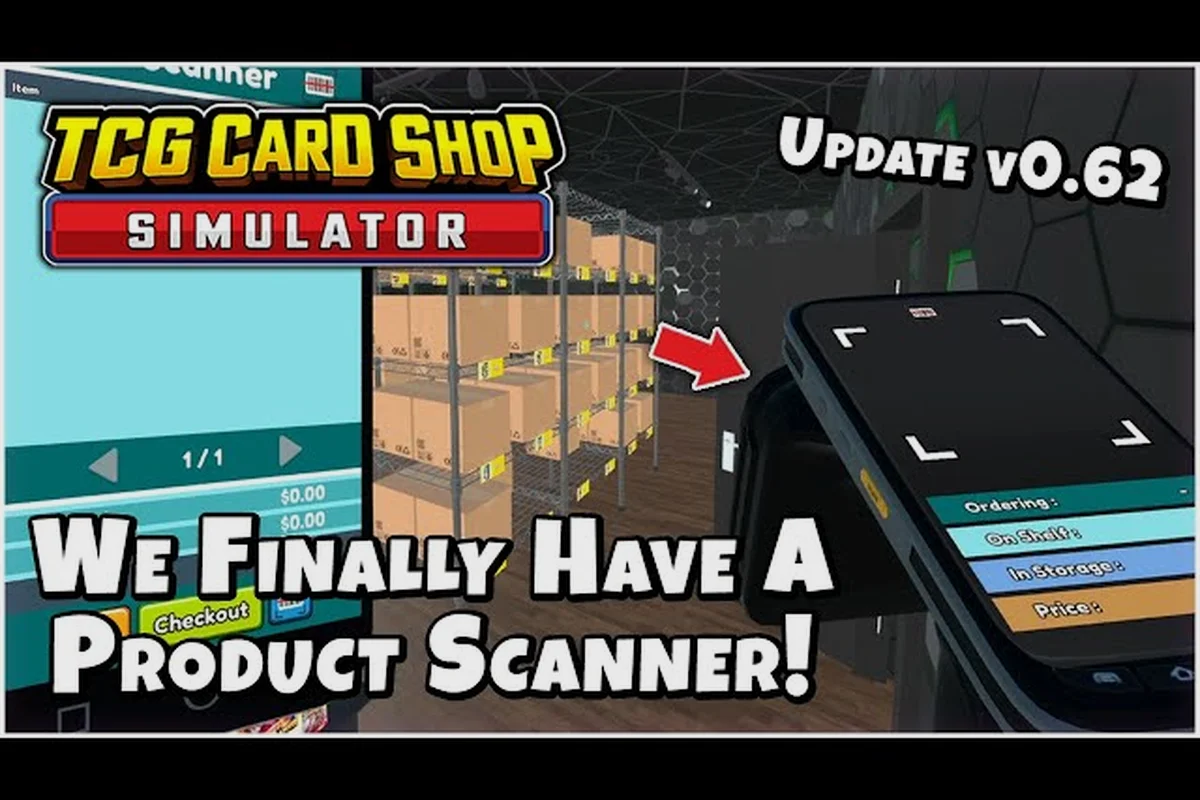
TCG Card Shop Simulator Performance Update: FPS & Steam Deck
See what the TCG Card Shop Simulator performance update changes for frame rate, Steam Deck tuning, Workshop mods, and a player count still climbing after 1.0.
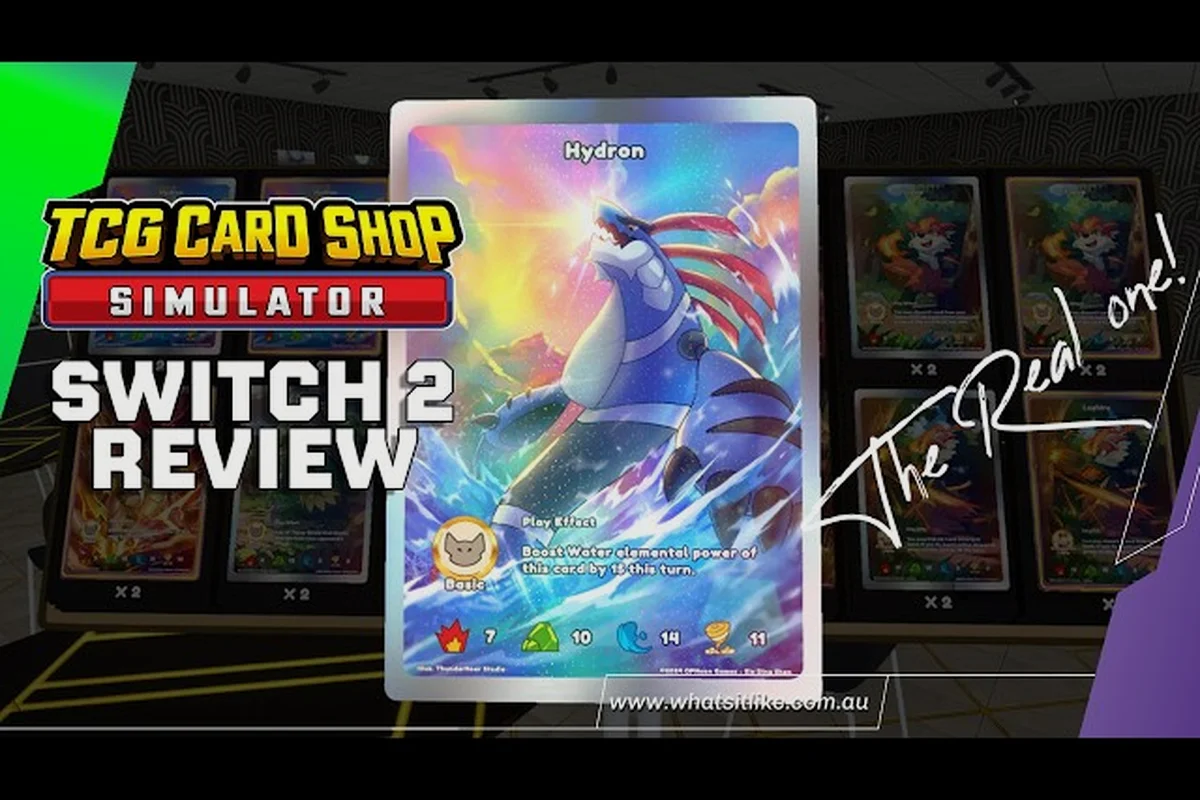
TCG Card Shop Simulator Switch Release: PS5 & Game Pass
Get the full TCG Card Shop Simulator switch release picture, including PS5 availability, Game Pass status, and how 0.70 saves transfer into 1.0.