
Card Sets
TCG Card Shop Simulator set and pack breakdown covering Tetramon Base, Destiny, Ghost, Ascension and Battle Decks, plus sealed versus opened economics.
Introduction
Card sets decide what you actually order from the Stock Order app, and ordering the wrong product is one of the quiet ways a profitable shop stalls. The catalogue grew from 2,714 cards in Early Access to 4,436 at the 1.0 launch, with the Ascension pack line alone carrying 1,452 of the new cards, so the gap between a set that sells itself and one that sits in your warehouse has never been wider. This hub breaks the catalogue down by set and pack family: Tetramon Base, Destiny, Ghost, Ascension and the preconstructed Battle Decks. It covers which packs are worth opening rather than reselling sealed, how the Basic, Rare, Epic and Legendary pack tiers change the border distribution, and which expansion gate is worth unlocking first when your shop level finally allows it.
Card Set & Pack Family Comparison
| Set / Product | Scale | Sold As | Best Reason To Stock It |
|---|---|---|---|
| Tetramon Base | Starting family | Base packs and boxes | New customers and casual buyers |
| Destiny | 121 monsters across 12 variants (community data) | Basic, Rare, Epic and Legendary packs | Collectors chasing specific creatures |
| Ghost | Separate family outside Base and Destiny numbering | Own pack line | Niche completionists |
| Ascension | Carries 1,452 of the 1.0 additions | Newest pack line | Recent collector demand |
| Battle Decks | Preconstructed, not random | Fixed deck product | Players who want to play Tetramon now |
Set Breakdown
Tetramon Base
The starting set and source of the basic creatures
Destiny
First expansion line with a large creature roster
Ghost
A separate family outside the main numbering
Ascension
The 1.0 expansion carrying most of the new cards
Battle Decks
Preconstructed product for the card game side
Core Mechanics
Set structure is what makes ordering decisions interesting. The catalogue is organised into set families, and each family is sold through its own pack line, so the pack you buy determines the pool of cards you can pull rather than simply the odds. Tetramon Base is the starting family and the source of the creatures a new shop sees first. Destiny is the expansion line built around a large roster of monsters printed across many card variants, and it is sold in Basic, Rare, Epic and Legendary pack tiers that shift the border distribution upward as you pay more. Ghost sits outside the main Base and Destiny numbering as a separate family. Ascension arrived with the 1.0 release and carries the bulk of the newly added cards. Alongside the booster lines sit the Battle Decks, which are preconstructed and playable rather than random, and every pack tier has a matching box product that is the format worth buying in bulk at wholesale. Knowing which family feeds which customer demand is the core skill of stocking a card shop.
Advantages
Treating sets as distinct product lines rather than as one big catalogue is what turns ordering from guesswork into planning. Each family feeds a recognisable kind of demand: Base product suits new customers and casual buyers, expansion packs suit collectors chasing specific creatures, and preconstructed Battle Decks suit players who want to sit down at a table immediately rather than open packs for weeks. Because every pack tier has a matching box, buying in bulk at wholesale is available at every level, which means a set decision scales with your cash rather than being gated behind late-game unlocks. The packing structure also makes expected value calculable in a way that most management games keep opaque: a Legendary pack tier shifts the border distribution upward relative to an Epic tier, so the trade-off between a cheaper pack opened in volume and an expensive pack opened in small numbers is a real, comparable decision. Finally, knowing which family is new tells you where collector demand is concentrated, because the newest cards are the ones missing from most collections.
Challenges
Set breadth is a mixed blessing. With 4,436 cards across multiple families, most shops cannot afford to stock every line at a useful depth, and concentrating on one or two families means accepting that some customers will leave without finding what they wanted. Expansion sets also carry a documentation problem: the Destiny numbers circulating in the community date from a 2024 page edit, and the Ascension content is so new that the detail behind the 1,452-card figure is still thin, so anyone planning purchases around specific card breakdowns is working from incomplete information. Pack economics are the other constraint. Opening sealed product can beat selling it sealed, but only if the border distribution behaves as expected, which is exactly the thing that is least certain. And because a set that is not selling occupies shelf volume that a faster line could use, a bad ordering decision costs twice: once in the cash spent on the product and again in the revenue the shelf did not generate while the wrong stock sat on it.
Frequently Asked Questions
Which card set should I stock first?+
Is it better to open packs or sell them sealed?+
What is the Ascension pack?+
Quick Tips
Stock depth in one or two families rather than a thin spread across every set. A customer who arrives looking for a specific card from a specific family will leave empty-handed if you only carry a token amount of that line, whereas the same cash spread thinly across five families means nobody can find what they came for. Depth converts a single interested shopper into a completed sale, and the families you choose should follow the demand you are actually seeing on your floor rather than a general ranking.
Compare pack tiers on expected value rather than on price alone. Higher tiers shift the border distribution upward, which raises the top end of what you can pull, but they also cost more per pack and the majority of pulls still sit in the common bands. Buying cheaper packs in volume and expensive packs in small numbers is a genuine trade-off, and the right answer depends on whether you need a reliable margin or whether you are specifically hunting a rare print for your own collection.
Sell most product sealed and open a deliberate portion of it. Sealed product has a known margin the moment you price it, while opening is a gamble whose value depends on a border distribution that has never been officially published. A split between the two lets you keep the predictable income flowing while still feeding the collection and hunting the specific cards a deck needs, with the ratio adjusted by how much cash you need back this week.
Featured
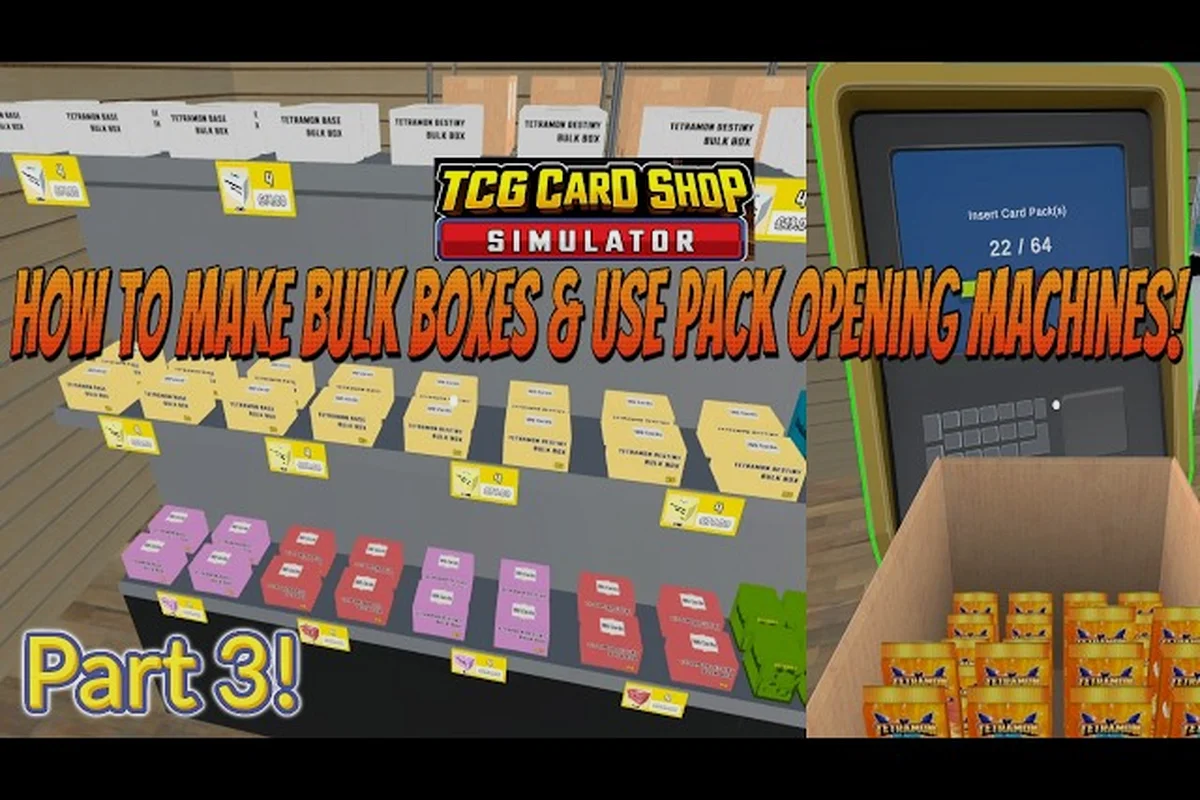
TCG Card Shop Simulator Card Sets: Base, Destiny & Ascension
Break down the TCG Card Shop Simulator card sets in order, from Tetramon Base through Destiny and Ascension, with ghost rares, pack sources, and pull rates covered.
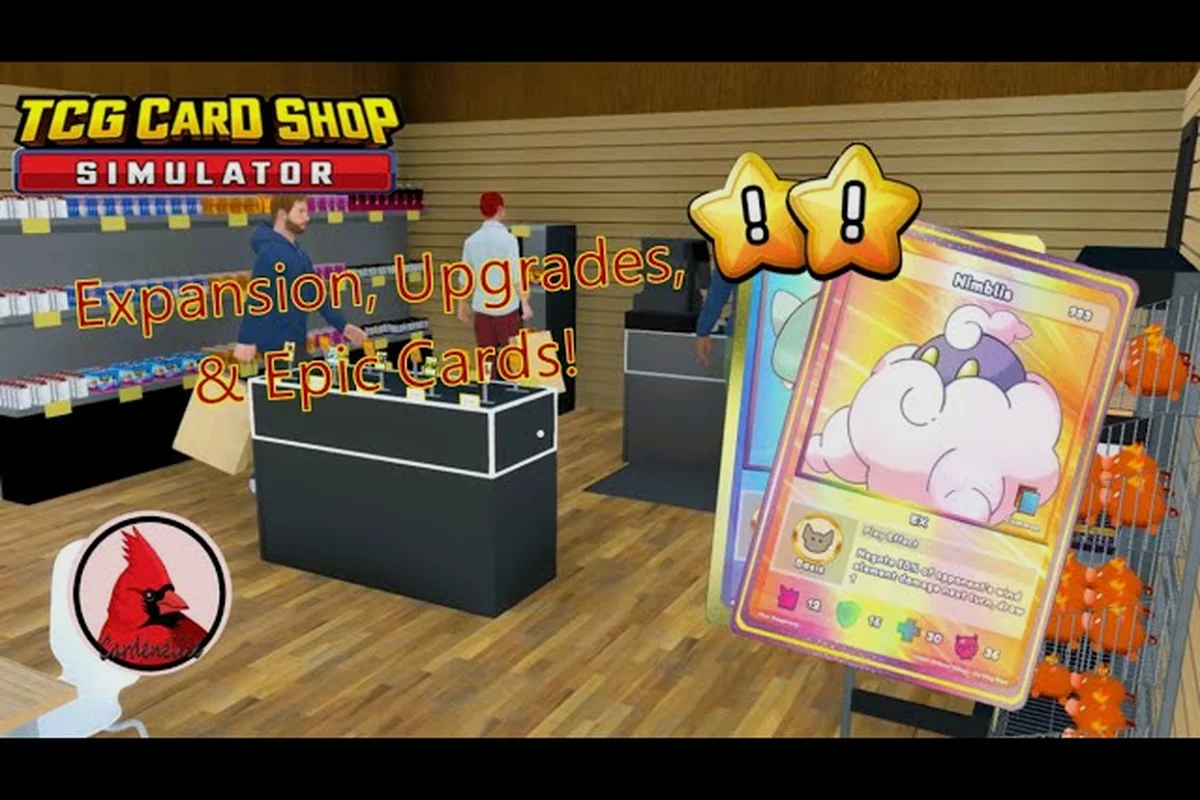
TCG Card Shop Simulator Newest Expansion: Ascension
Catch up on every TCG Card Shop Simulator newest expansion drop, from the 1,452 Ascension cards to rumored future sets and how sealed pack values are shifting.
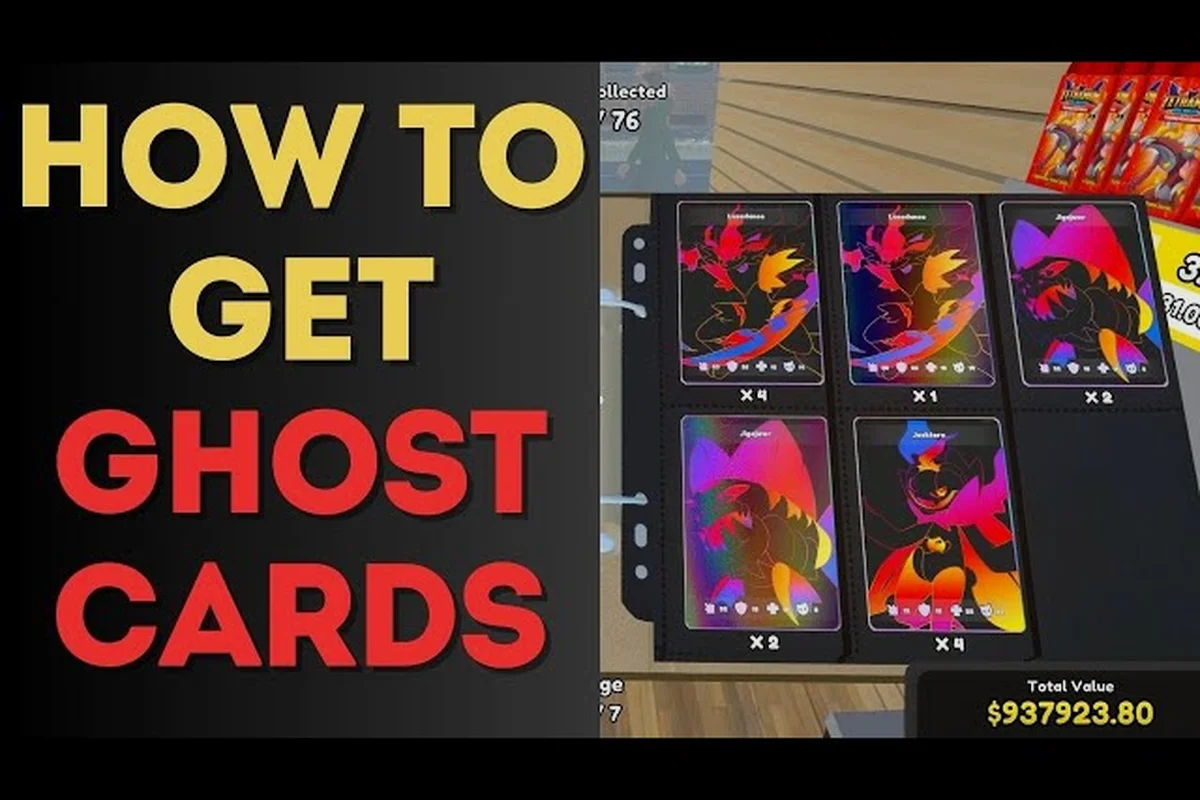
TCG Card Shop Simulator Ghost Card List: Secret Rares
Hunt down every TCG Card Shop Simulator ghost card list entry, from secret rares and full-art foils to chase pulls, plus packs and pull rates that drop them.
All Articles
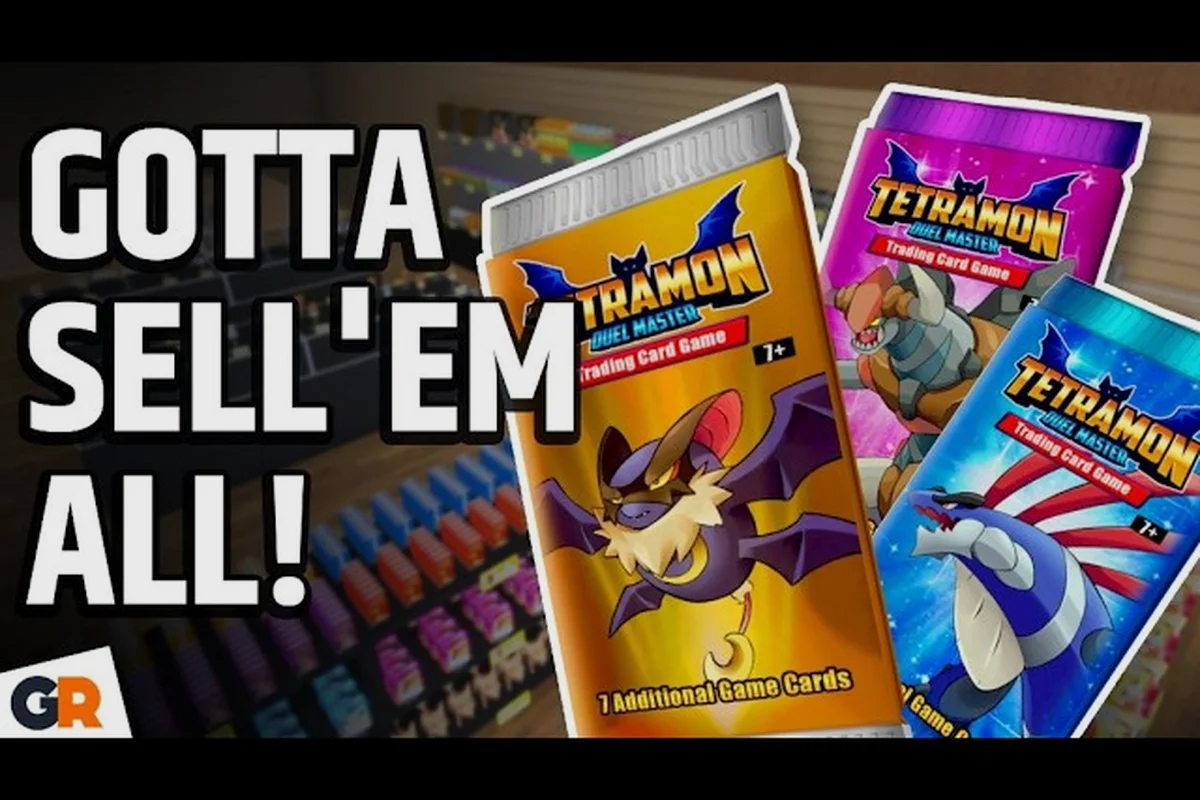
TCG Card Shop Simulator How Many Cards: 4,436 Total
Count every TCG Card Shop Simulator how many cards entry in the full pool, and see how 4,436 cards split by rarity, element, and expansion across every set.
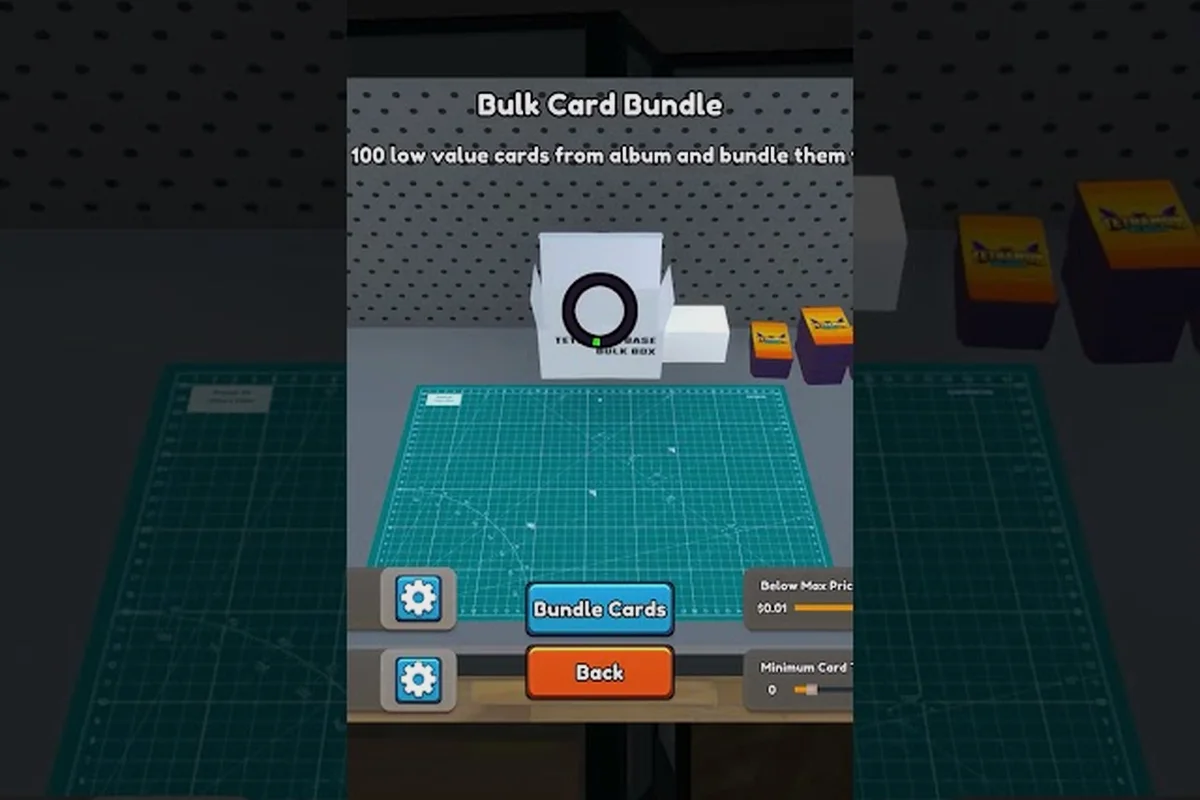
TCG Card Shop Simulator Wholesale Packs: Box Buys
Master TCG Card Shop Simulator wholesale packs with box pricing, set numbering, and which Destiny and Ascension cards are worth stocking first.
TCG Card Shop Simulator Rare Pack: Epic & Battle Decks
Compare the TCG Card Shop Simulator rare pack tier against Epic, Legendary, and Destiny battle deck options, and learn which booster boxes profit most at wholesale.
TCG Card Shop Simulator Pack Pull Rates: Best Packs
Crack TCG Card Shop Simulator pack pull rates by tier, learn which expansions unlock late, and decide whether to sell sealed or open packs for maximum profit.