
Furniture
TCG Card Shop Simulator furniture guide covering ware displays, card displays, personal and warehouse shelves, shop decor and volume matching.
Introduction
Furniture is the difference between owning stock and being able to sell it. Every display and shelving unit has a volume limit, so the furniture families you buy decide how much product can physically be on offer at any moment, and the family you choose also decides what kind of customer the piece attracts. Ware displays handle the general retail mix near the counter, card displays keep singles and packs visible and reachable, personal shelves put a small number of high-value pieces on show, and warehouse shelving keeps backstock out of the sales floor without putting it out of reach. This hub covers what each family is actually for, how to match shelf capacity to item volume so a big boxed product does not waste a small shelf, and how the decorative pieces can earn their floor space back when they are placed as merchandise rather than as decoration.
Furniture Families & What They Hold
| Family | What It Holds | Best Used For |
|---|---|---|
| Ware Displays | General boxed retail and accessories | High-traffic product near the counter |
| Card Displays | Singles, packs and card product | Keeping card stock visible and reachable |
| Personal Shelves | A small number of high-value pieces | Showing off expensive stock without bulking it out |
| Warehouse Shelves | Bulk backstock | Keeping reserve stock off the sales floor but in reach |
| Shop Furniture | Counters, flooring, paint and decor | Presentation once capacity is already covered |
| Accent Pieces | Statues, figurines and plushies | Decoration that also sells as merchandise |
Furniture Guide
Ware Displays
General retail shelving
Card Displays
Dedicated furniture for card product
Personal Shelves
Compact units for high-value pieces
Warehouse Shelves
Bulk storage off the sales floor
Shop Furniture
Counters, flooring, paint and decor
Accent Pieces
Statues, figurines and plushies
Core Mechanics
Furniture is bought through the shop's customisation app and then physically placed, which means the layout you buy is the layout you live with until you move things around. Each piece belongs to a family: ware displays are the general retail shelving used for boxed product and impulse items near the counter, card displays are the dedicated furniture for singles and packs, personal shelves are compact units for a small number of high-value pieces, and warehouse shelves hold bulk backstock outside the sales floor. On top of those come the shop furniture pieces such as counters, flooring and paint, which are presentation rather than capacity. The decision framework is volume against demand: a small shelf cannot hold big boxed product, and a large shelf filled with low-value items wastes floor space that could be carrying a faster-selling line. Decorative pieces such as statues, figurines and plushies can double as merchandise when they are placed as retail rather than as decoration, which lets some of them pay back the floor space they occupy.
Advantages
Furniture decisions are easier to get right once you separate capacity from presentation. Capacity pieces such as ware displays, card displays and warehouse shelving directly increase how much product can be on offer, which increases revenue without changing prices, and they scale with the product you actually stock: card displays for singles and packs, boxed retail for ware displays, bulk storage for backstock. Matching a shelf to the volume of the item it holds is the single highest-return habit in the category, because a big box on a small shelf wastes both the shelf and the sale while a large unit full of cheap product wastes floor space that could be carrying a faster line. Presentation pieces are worth buying deliberately rather than by accident, since flooring, counters and paint improve how the shop reads without adding capacity, and accent pieces such as figurines and plushies can be placed as merchandise so they sell the floor space they occupy back to you over time. The result is a layout that grows in revenue and in appearance at the same time.
Challenges
Furniture spending competes with stock spending, and flooring a shop beautifully does nothing for revenue, which makes it an easy category to over-invest in early. Capacity pieces are the opposite risk: buying more shelving than you can fill with inventory leaves you paying for floor space that holds nothing, and buying shelving that is too small for the product you stock means the boxed product you ordered cannot actually be displayed. Volume matching is unforgiving for that reason, since a shelf that cannot hold a unit simply cannot sell it regardless of demand. There is also no official furniture table to plan against, so capacity and cost comparisons rely on community listings that are maintained informally and may not reflect the current build. Finally, decorative pieces are only a bargain if they are placed as merchandise: the same statue that earns its floor space back when it is on sale is a pure cost when it is purely decorative, and telling the two configurations apart takes attention that is easy to spend on more exciting purchases.
Frequently Asked Questions
Which furniture should I buy first?+
How do I know what fits on a shelf?+
Do decorative items ever pay for themselves?+
Quick Tips
Buy capacity before decoration, every time. Shelving that puts more product on the sales floor earns money immediately, while flooring and paint only change how the shop reads. The most common early furniture mistake is spending on decor while boxed product sits in the warehouse because no shelf on the floor is large enough to display it, which means the shop paid for stock it can never sell in that state.
Match the shelf to the size of what you are stocking. Every unit has a volume limit and every product has a size, so a small shelf physically cannot display large boxed items no matter how much demand exists for them. Before committing to a new product line, check that you own furniture capable of holding it, and where you have both sizes available, reserve the large units for bulky high-turnover goods and the small ones for compact, higher-value pieces.
Place accent pieces as merchandise rather than as pure decoration. Statues, figurines and plushies can be bought by customers, which means some decorative items earn back the floor space they occupy when they are positioned as retail instead of as set dressing. The distinction is worth keeping because it changes decoration from a pure cost into a slow-paying investment, and because it is easy to set a piece down as ornament and never notice that it could have been generating sales all along.
Featured
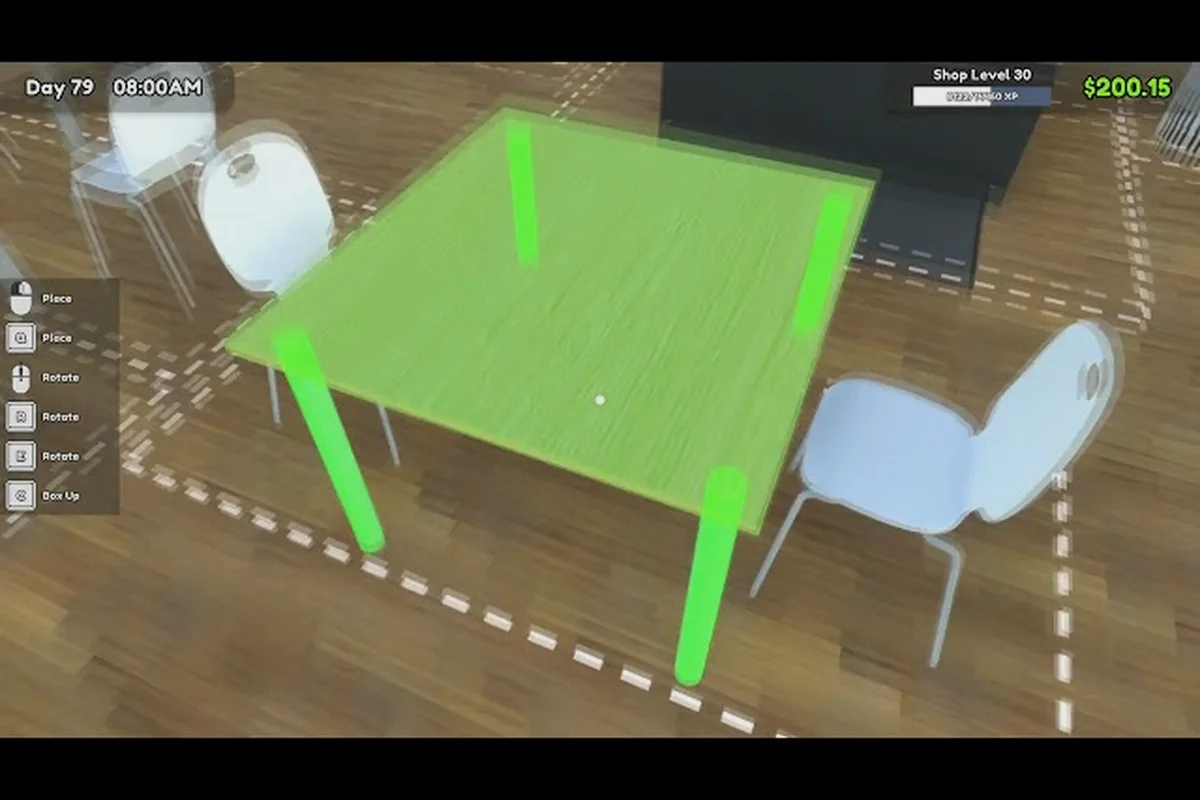
TCG Card Shop Simulator Furniture List: Shelves & More
Browse the full TCG Card Shop Simulator furniture list across ware displays, card displays, and personal shelves, and pick the best pieces for profit and floor flow.
TCG Card Shop Simulator Furniture Value: Volume & Sizes
Rank TCG Card Shop Simulator furniture value by item size, volume per shelf, and unlock level so every display, ware, and counter pulls its weight from day one.
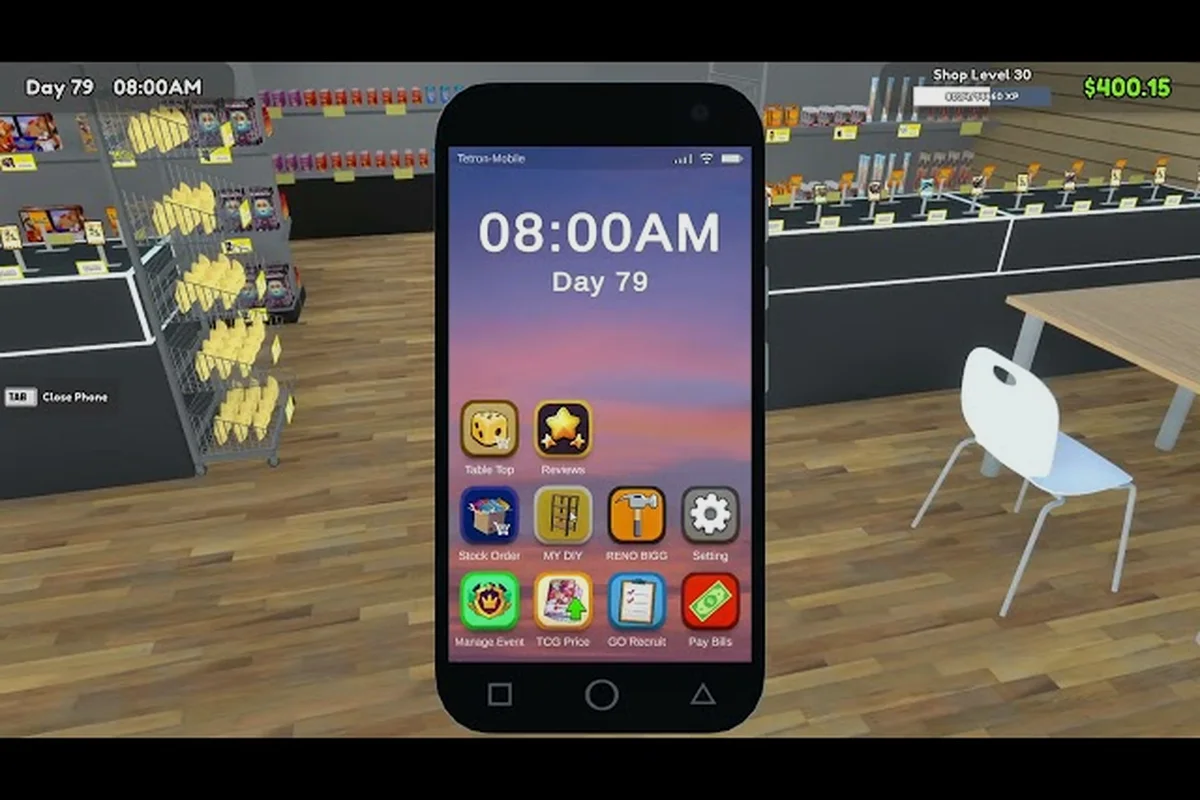
TCG Card Shop Simulator Cheapest Furniture: Budget Decor
Find TCG Card Shop Simulator cheapest furniture picks under tight budgets, from starter counters and auto sprayers to DIY decor that keeps an aesthetic shop running.
All Articles
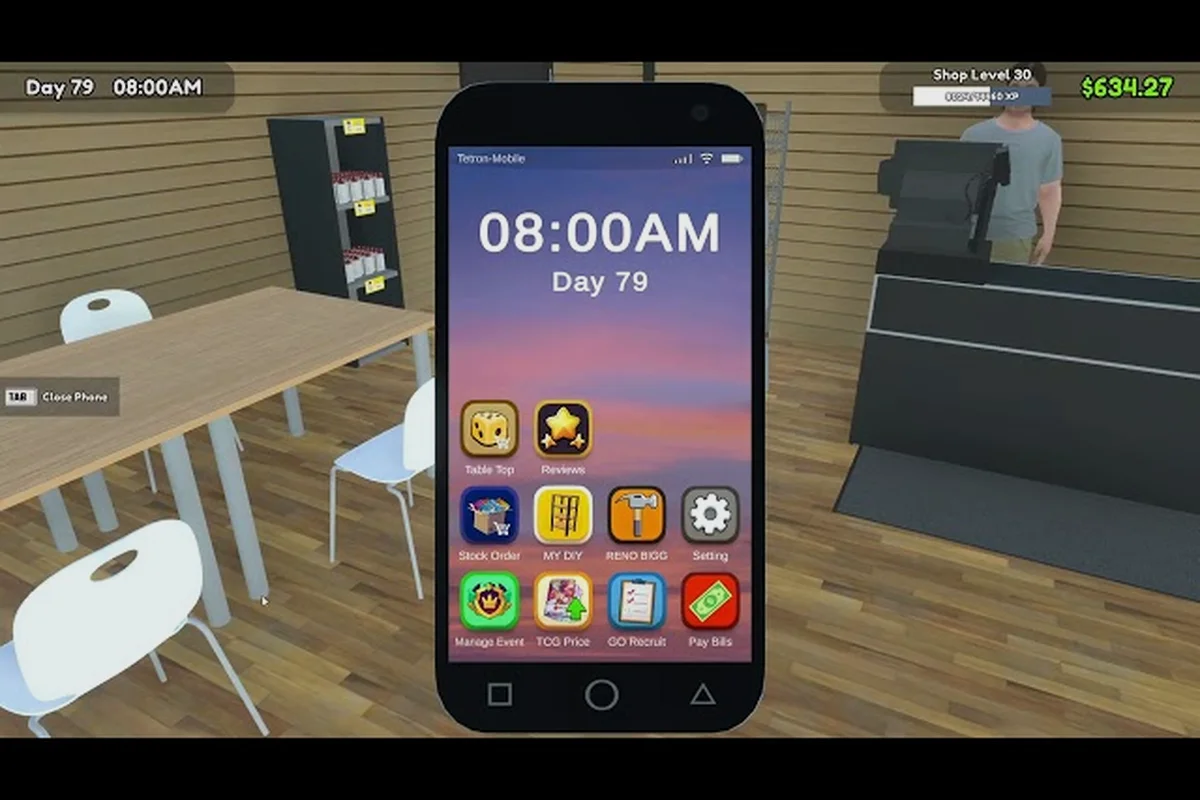
TCG Card Shop Simulator Storage Solutions: Shelves & Volume
Match every TCG Card Shop Simulator storage solutions pick to product size with volume math, paint tricks, and display case tips that keep shelves from overflowing.
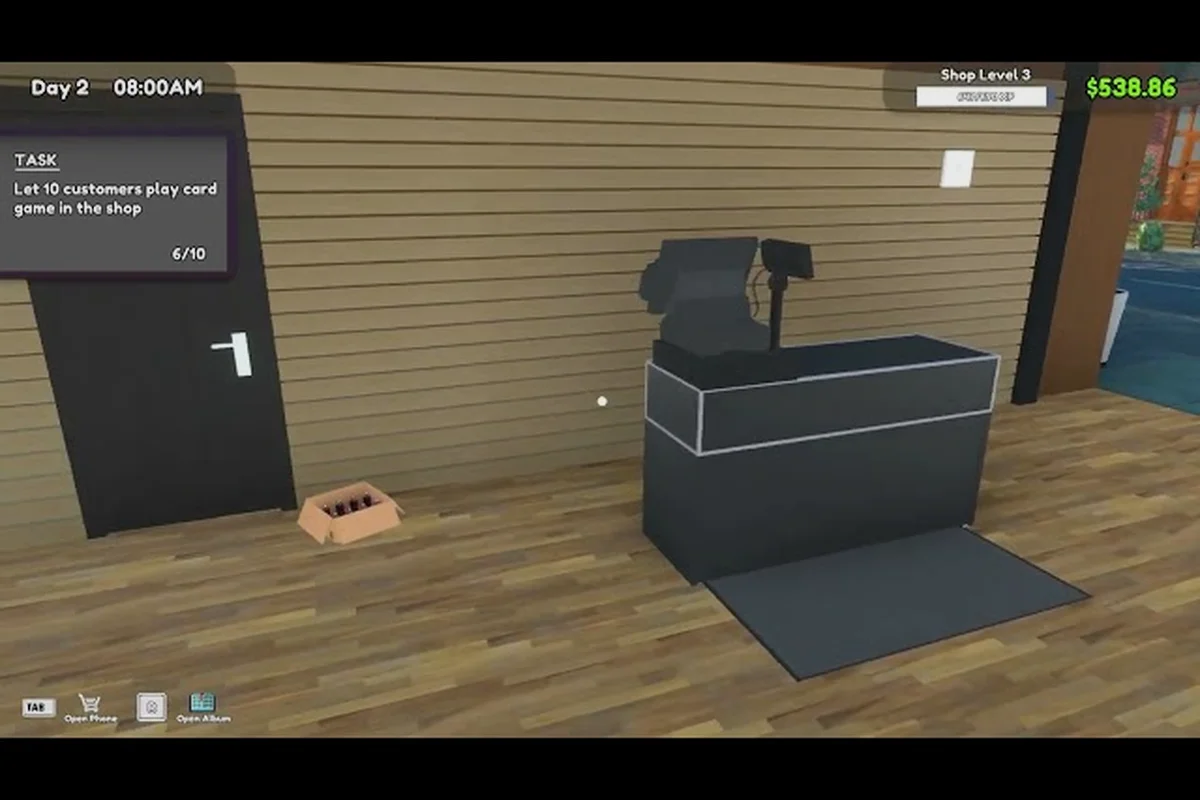
TCG Card Shop Simulator Lighting: Floors, Rugs & Plants
Layer TCG Card Shop Simulator lighting with matching flooring, wallpaper, rugs, plants, and statues to build an ambient shop that lifts atmosphere and customer mood.
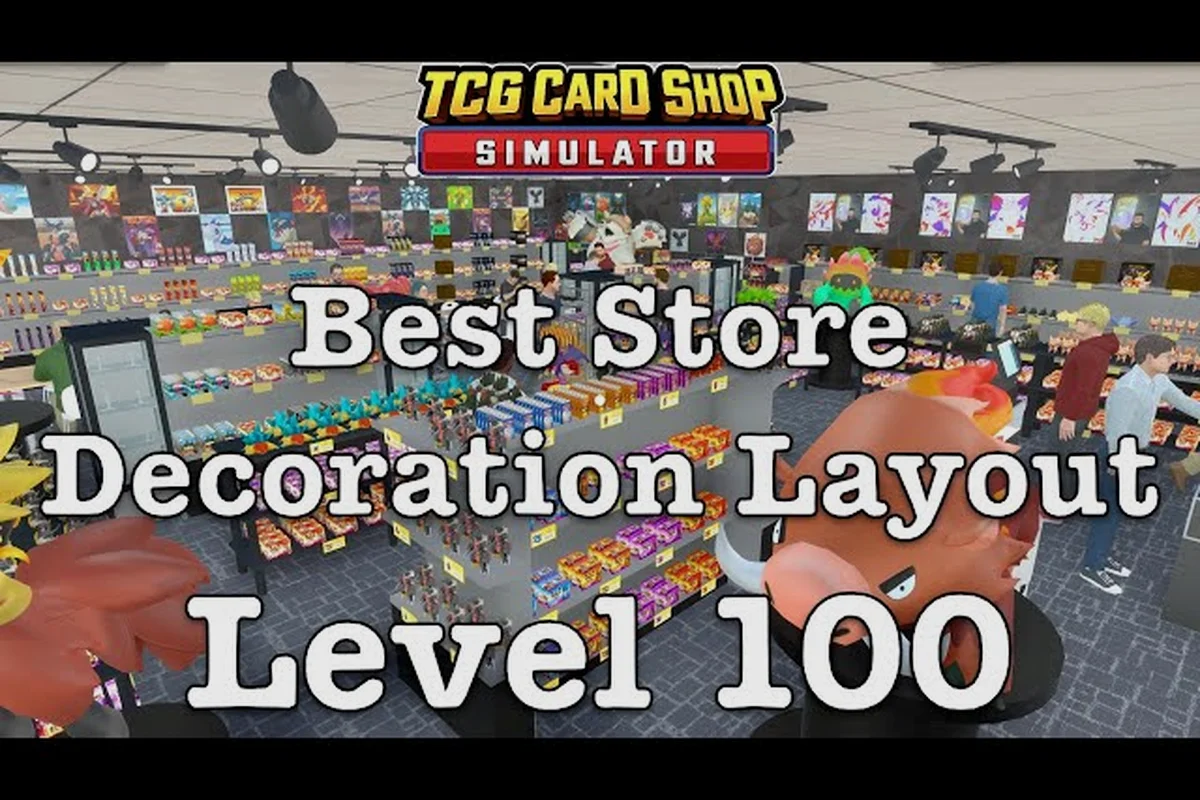
TCG Card Shop Simulator Cozy Shop Design: Counters & Flow
Plan a TCG Card Shop Simulator cozy shop design with smart counter placement, auto sprayer coverage, and furniture flow that turns your floor into a customer magnet.
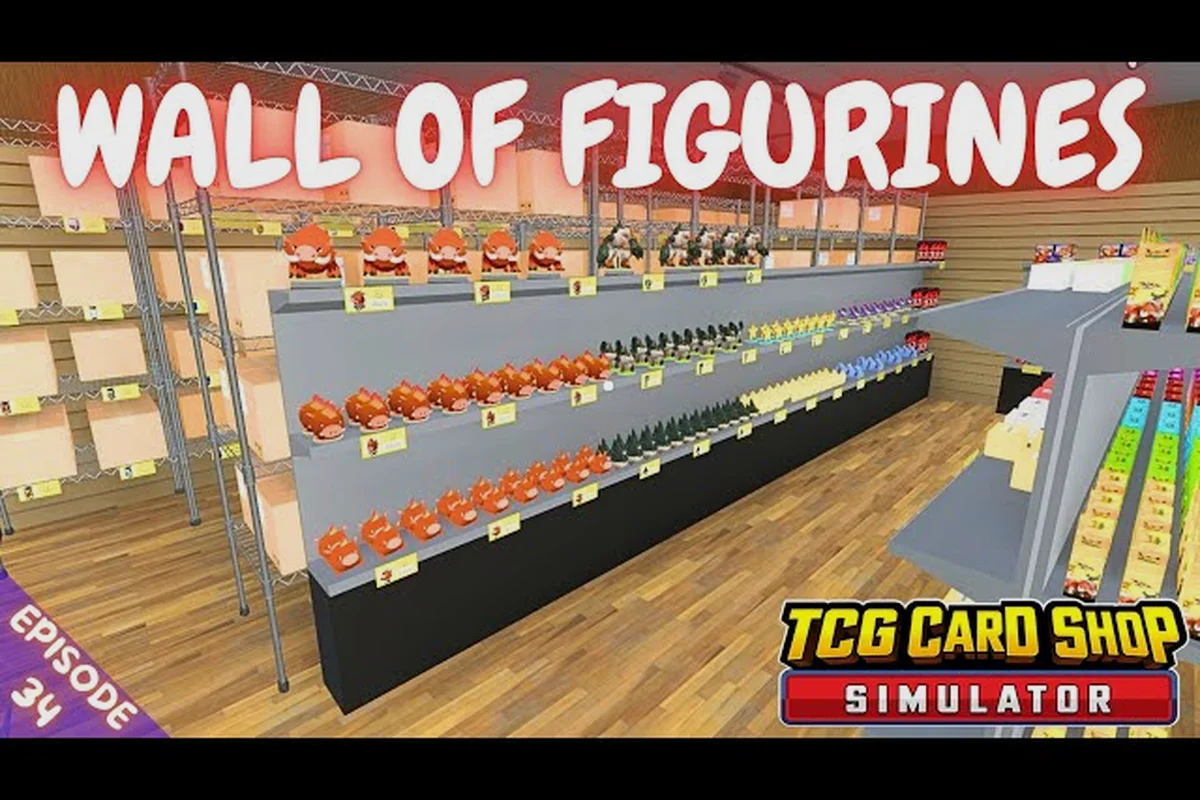
TCG Card Shop Simulator Figurines Display: Plushie Profits
Turn TCG Card Shop Simulator figurines display shelves into a second revenue stream by stocking plushies and accessories where customers actually pause and buy.